
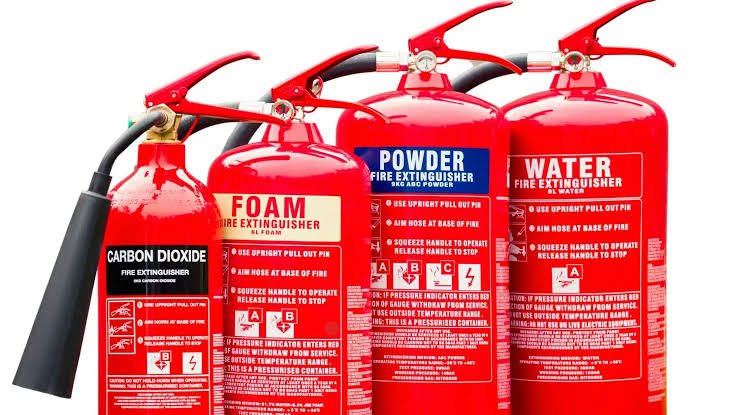
Fire safety is not only about buying a fire extinguisher, installing a smoke alarm, or keeping an emergency number nearby. These measures are useful only when the equipment is working properly when an emergency occurs. This is why regular fire equipment maintenance should be an important part of every home’s safety routine.
A fire can develop quickly, and household members may have very little time to recognize the danger and leave safely. Fire alarms, smoke detectors, extinguishers, emergency lighting, and other protective equipment are designed to support early warning and emergency response. However, dust, age, damage, dead batteries, corrosion, poor installation, or neglected servicing can reduce their reliability.
For households in Pakistan, maintaining fire-safety equipment is particularly important because homes may contain electrical appliances, cooking equipment, gas appliances, backup power systems, and other potential sources of fire. A sensible maintenance routine can help identify problems before they become emergencies.
The goal is simple: fire-safety equipment should be ready before it is needed, not after an emergency begins.
Why Fire Equipment Maintenance Matters
Fire equipment is often installed and then forgotten. A homeowner may assume that an extinguisher or alarm will continue working indefinitely simply because it looks fine from the outside. That assumption can create unnecessary risk.
Maintenance helps identify visible damage, expired components, power problems, blocked equipment, corrosion, and other issues that may affect performance.
The Pakistan Engineering Council’s Building Code of Pakistan Fire Safety Provisions 2016 addresses fire protection equipment and states that portable extinguishers are intended as a first line of defense for limited-size fires. It also says extinguishers should be selected according to the hazards they are intended to protect.
This highlights an important point: having equipment is only one part of fire protection. The equipment must also be appropriate, accessible, and maintained.
What Fire Equipment Does a Home Need?
Every home is different, so there is no single equipment list that applies to every property. A basic residential fire-safety setup may include:
- Smoke alarms
- Appropriate fire extinguishers
- Carbon monoxide detection where relevant
- Emergency lighting where appropriate
- Fire blankets where suitable
- Clearly accessible exits
- Electrical protection and properly maintained wiring
- Additional equipment based on the home’s size, design, and hazards
Larger homes, apartment buildings, and properties with special risks may require additional systems. A professional assessment can help determine what is appropriate.
The important thing is not to purchase equipment simply because it is advertised as a general solution. Equipment should match the actual hazards in the home.
1. Maintain Smoke Alarms and Fire Alarm Systems
Smoke alarms provide early warning, which can be especially important when people are sleeping. A working alarm can alert household members before a small fire becomes a much larger emergency.
Regular testing should form part of a home’s safety routine. Batteries should be replaced according to the manufacturer’s instructions, and alarms should not be covered, blocked, painted, or placed where their operation is compromised.
For larger or more advanced household alarm systems, inspection, testing, and maintenance should follow the manufacturer’s instructions and applicable standards. NFPA guidance for household alarm systems emphasizes regular inspection, testing, and maintenance, including following manufacturer instructions.
The same principle applies when considering a fire alarm system in Pakistan. Installation alone does not guarantee reliable protection. The system needs appropriate inspection and maintenance so that faults can be identified and corrected.
Common alarm problems include:
- Weak or missing batteries
- Dust accumulation
- Damaged alarm units
- Fault indicators
- Poor placement
- Disconnected components
- Expired or end-of-life devices
If an alarm repeatedly develops faults, it should be assessed by a qualified professional rather than ignored.
2. Check Fire Extinguishers Regularly
A fire extinguisher is useful only when it is suitable for the type of fire and remains in serviceable condition.
The Pakistan Engineering Council’s fire-safety provisions explain that extinguisher selection should consider the type and size of fire likely to occur, the hazards present, electrical equipment, temperature conditions, and other factors. The code also states that an extinguisher that can no longer be serviced according to the manufacturer’s maintenance manual is considered obsolete and should be removed from service.
Homeowners should therefore avoid treating all extinguishers as interchangeable.
During a routine visual check, an adult can look for obvious concerns such as:
- Visible physical damage
- Corrosion
- Leakage
- Missing labels
- Obstructed access
- Signs that the unit has been discharged
- A damaged or missing inspection indicator, where applicable
Technical inspection, servicing, refilling, or repair should be performed by an appropriately qualified service provider according to the equipment manufacturer’s requirements and applicable standards.
3. Keep Fire Equipment Accessible
Even perfectly maintained equipment becomes less useful if household members cannot reach it quickly.
Fire extinguishers, alarm panels, and other emergency equipment should not be hidden behind furniture, boxes, curtains, or household storage. Equipment should remain visible and accessible.
A common mistake is gradually turning an equipment area into storage space. Someone may place cleaning products, shoes, tools, or other objects near an extinguisher because the equipment is not used regularly.
This can create a problem during an emergency.
A simple household rule is helpful:
Fire-safety equipment should always have a clear and accessible space.
4. Pay Attention to Electrical Safety
Electrical equipment is an important part of modern homes, and electrical problems can contribute to fire risk. Damaged cables, overloaded outlets, defective appliances, poor-quality electrical components, and neglected maintenance can all create hazards.
Homeowners should pay attention to warning signs such as:
- Burning smells
- Discolored sockets
- Repeated circuit interruptions
- Damaged cables
- Unusual heat around electrical equipment
- Sparks or visible damage
Electrical repairs should be handled by a qualified electrician rather than improvised at home.
NFPA’s electrical-maintenance guidance emphasizes preventive maintenance of electrical, electronic, and communication equipment to reduce equipment failures and associated risks.
Fire equipment maintenance should therefore be part of a wider home-safety program rather than treated as an isolated task.
5. Do Not Ignore Carbon Monoxide Detection
Carbon monoxide is different from smoke. It is an invisible and potentially dangerous gas that can be produced by certain fuel-burning appliances and systems.
Where carbon monoxide detection is appropriate, detectors should be installed and maintained according to the manufacturer’s instructions and the conditions of the home.
NFPA guidance notes that carbon monoxide detectors should be replaced when the manufacturer’s replacement date is reached, when an end-of-life signal occurs, or when the detector fails an operability test.
Homeowners should never assume that a detector will work forever simply because its display or indicator appears normal.
6. Inspect Fire Blankets and Other Simple Equipment
Fire blankets can be useful for certain limited household situations when used appropriately. However, like other safety equipment, they should not be forgotten after installation.
Check that:
- The blanket remains in its designated location.
- Packaging or container is not visibly damaged.
- The equipment is accessible.
- Instructions remain readable.
- The product has not been contaminated or damaged.
If a product has been used or damaged, follow the manufacturer’s instructions regarding replacement.
Most importantly, household members should understand that evacuation is the priority when a fire is spreading or conditions are unsafe. Fire equipment should never encourage someone to take unnecessary risks.
7. Maintain Water-Based Fire Protection Systems Professionally
Some homes or residential buildings may have sprinkler systems, standpipes, pumps, or other water-based fire-protection equipment.
These systems require more than a simple visual check. Inspection, testing, and maintenance should follow the applicable system requirements and be performed by appropriately qualified personnel.
NFPA 25 provides inspection, testing, and maintenance guidance for water-based fire protection systems, including sprinkler systems and related components.
For homeowners, the most important principle is to avoid making unauthorized changes to such systems. If a fault, leak, damaged component, or other concern is identified, contact the responsible building management or qualified fire-protection professional.
8. Create a Simple Maintenance Schedule
Maintenance becomes easier when it is planned.
Instead of waiting for equipment to show an obvious problem, homeowners can create a simple safety calendar.
Regular household checks
Depending on the equipment and manufacturer’s instructions, a household routine can include:
Monthly:
Visually check that alarms and fire equipment are accessible and free from obvious damage. Test household alarms where the manufacturer’s instructions call for user testing.
Periodically:
Review batteries, equipment condition, labels, access, and visible signs of deterioration.
According to manufacturer instructions:
Arrange professional inspection, servicing, testing, replacement, or recharge of equipment when required.
After an incident:
Have affected equipment assessed before relying on it again.
The exact maintenance frequency should always come from the equipment manufacturer, applicable requirements, and the specific type of system.
9. Keep Maintenance Records
Records may seem unnecessary for a small home, but they can make maintenance much easier.
A basic record can include:
- Equipment type
- Installation date
- Location
- Manufacturer
- Model
- Battery replacement dates
- Professional service dates
- Problems identified
- Repairs completed
- Replacement dates
For more complex residential buildings, documentation becomes even more important because multiple systems may need inspection and servicing.
Records also help homeowners notice patterns. If the same alarm repeatedly develops a fault, for example, that may indicate that replacement or professional assessment is necessary.
10. Teach Everyone in the Home About Fire Safety
Equipment alone cannot create a complete fire-safety plan.
Everyone who lives in the home should know:
- What the alarm sounds like
- Where the exits are
- Where the family should meet outside
- How to contact emergency services
- That they should leave immediately when conditions require evacuation
- That they should never return to a dangerous building
- Which adults are responsible for dealing with maintenance and professional servicing
Children should be given age-appropriate fire-safety education and should never be expected to inspect, repair, or operate technical fire-protection equipment.
Fire Equipment Maintenance in Pakistan
Fire-safety needs vary across Pakistan because homes differ in size, construction, occupancy, equipment, and local conditions.
A small house may need a relatively simple safety arrangement, while a large residence or multi-unit building may have interconnected alarms, pumps, sprinklers, emergency lighting, and other systems.
The Building Code of Pakistan Fire Safety Provisions 2016 provides national fire-safety provisions covering areas such as fire prevention, life safety, fire protection, and equipment. However, specific requirements can depend on the building type and applicable local authorities.
For this reason, homeowners should not rely on generic online checklists alone when maintaining complex systems.
When professional inspection is needed, use a qualified and appropriately experienced service provider.
Common Fire Equipment Maintenance Mistakes
Several simple mistakes can reduce the effectiveness of home fire protection.
Ignoring warning signals
If an alarm shows a fault, do not simply silence it and forget about it. Find out why the warning is occurring.
Blocking equipment
Furniture and storage should never make emergency equipment difficult to access.
Using expired or damaged equipment
Old or damaged equipment may not provide the expected protection. Follow manufacturer replacement and servicing requirements.
Assuming installation is enough
A newly installed system still needs ongoing attention.
Doing technical repairs without expertise
Fire alarms, extinguishers, sprinkler systems, pumps, and electrical equipment can require specialized knowledge. Improvised repairs can create additional hazards.
Forgetting after renovations
Home renovations can affect alarm placement, wiring, exits, equipment access, and other safety features. Fire protection should be reviewed whenever major changes are made.
A Simple Home Fire Equipment Checklist
Use this checklist as a starting point:
- [ ] Smoke alarms are installed where appropriate.
- [ ] Alarms are tested according to manufacturer instructions.
- [ ] Batteries are maintained or replaced as required.
- [ ] Fire extinguishers are suitable for the relevant hazards.
- [ ] Extinguishers are accessible and visibly maintained.
- [ ] No equipment is blocked by storage.
- [ ] Electrical warning signs are investigated.
- [ ] Carbon monoxide detection is provided where appropriate.
- [ ] Fire blankets and other equipment are accessible and undamaged.
- [ ] Professional servicing is arranged when required.
- [ ] Maintenance records are kept.
- [ ] Emergency exits remain clear.
- [ ] Household members know the evacuation plan.
- [ ] Children know to alert an adult and leave rather than attempting to fight a fire.
Why Prevention Is Better Than Emergency Response
Fire equipment is designed to support people during emergencies, but the best fire-safety strategy is still prevention.
Keeping electrical systems in good condition, using appliances responsibly, maintaining cooking areas, keeping combustible materials away from heat sources, and responding quickly to warning signs can all help reduce risk.
A properly maintained fire alarm system in Pakistan can provide valuable early warning, while suitable extinguishers and other equipment can provide additional layers of protection. These systems work best as part of a complete safety plan that includes prevention, detection, evacuation, and professional maintenance.
For information about fire-safety equipment and related solutions, homeowners and businesses can explore Flame Defender.
Final Thoughts
Fire equipment should never be considered a one-time purchase. Maintenance is what helps keep safety equipment dependable over time.
Smoke alarms need attention. Extinguishers need appropriate inspection and servicing. Electrical systems need care. Specialized fire-protection systems require qualified professionals. Emergency equipment must remain accessible, and everyone in the household should understand what to do when an alarm sounds.
The most effective approach is simple: inspect regularly, maintain according to instructions, repair problems promptly, and replace equipment when it reaches the end of its useful life.
For families in Pakistan, these small habits can become an important part of a broader home fire-safety plan.
FAQs
1. How often should fire equipment be maintained at home?
The frequency depends on the type of equipment and the manufacturer’s instructions. Smoke alarms, extinguishers, carbon monoxide detectors, and larger fire-protection systems can have different inspection and replacement requirements. Follow the manufacturer’s guidance and arrange professional servicing where required.
2. Is buying a fire extinguisher enough for home fire safety?
No. An extinguisher is only one part of a complete fire-safety plan. It must be appropriate for the hazards present, accessible, and properly maintained. Early warning, safe evacuation, electrical safety, and fire prevention are equally important.
3. How do I know if my fire alarm needs maintenance?
Warning signals, repeated false alarms, physical damage, failure during an approved test, or an expired device can indicate that attention is needed. Follow the manufacturer’s instructions and contact a qualified professional when technical servicing is required.
4. Can homeowners maintain fire equipment themselves?
Homeowners can perform simple checks permitted by the manufacturer’s instructions, such as keeping equipment accessible and carrying out user-level alarm tests. Technical inspection, repair, recharge, or servicing of specialized equipment should be handled by appropriately qualified professionals.
5. Why is fire equipment maintenance important in Pakistan?
Homes can contain electrical appliances, cooking equipment, gas appliances, backup power equipment, and other potential fire hazards. Regular maintenance helps ensure that available safety equipment remains ready to provide warning or protection when needed.